
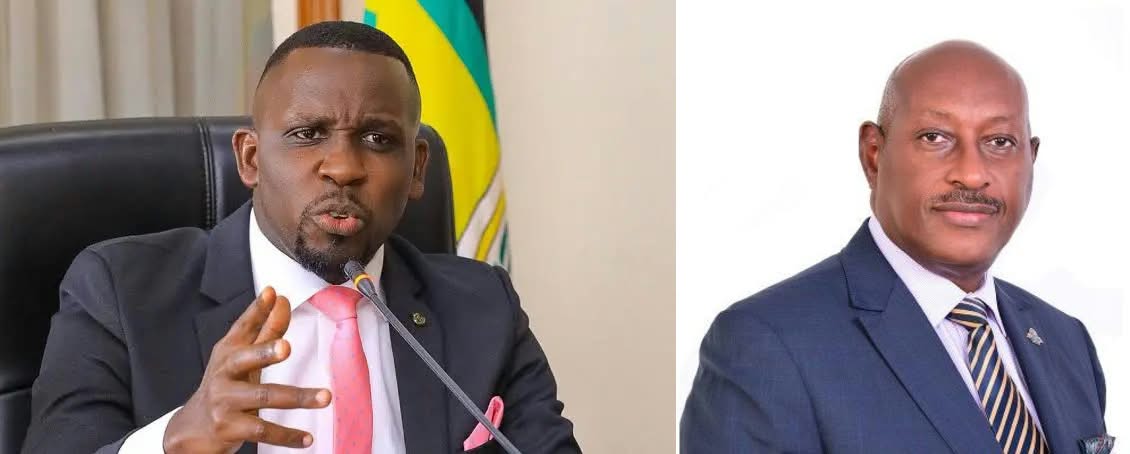
Kayabuki said the government must shift more resources, staffing and operational authority to districts, sub-counties, town councils and parishes, which are responsible for translating national policies into tangible development projects and public services.
In a statement on the implementation of the Ten-Fold Growth Strategy, he argued that although the government has prioritised strategic planning in ministries, Parliament and other government agencies, insufficient attention has been given to strengthening the institutions responsible for delivering services to communities.
He said local governments play a critical role in implementing programmes involving roads, schools, health facilities, water systems, agricultural extension services and household economic improvement.
However, Kayabuki noted that local governments continue to face operational constraints despite being expected to implement, monitor and account for government programmes.
“The reality is simple. Almost all the operational implementation of government projects and programmes happens at the local government level,” he said, adding that limited funding, staffing and authority weaken the ability of local leaders to oversee projects effectively.
He argued that the imbalance between responsibilities assigned to local governments and the resources available to them contributes to weak monitoring and limits the impact of national development plans at the community level.
Kayabuki said achieving the Ten-Fold Growth Strategy would require a deliberate shift from concentrating resources and decision-making at the centre towards empowering local governments to drive implementation.
He called for local government operations to be adequately funded and district councils equipped with the resources and authority necessary to monitor public projects, identify implementation gaps and enforce accountability.
According to Kayabuki, stronger local monitoring would help improve value for money, minimise resource leakages, identify failures early and ensure that government services reach the intended beneficiaries.
“Growth will not be achieved in boardrooms in Kampala alone. It will be achieved in the villages, trading centres and parishes of this country,” he said.
He argued that adequately resourced local governments would be better positioned to translate national development priorities into measurable improvements in people’s livelihoods.
Kayabuki said empowering local governments would be critical to ensuring that communities feel the impact of government programmes and that Uganda has a realistic chance of achieving its Ten-Fold Growth Strategy.
 News
Two people have been killed in separate mob justice incidents in Kigezi Sub-region within two days, ... Read more
 News
The cost of long-acting HIV prevention could drop significantly following the approval of the first ... Read more
 News
Eight inmates from Ndorwa Government Prison are among 3,887 candidates sitting the 2026 Primary Leav... Read more
 News
Tension is mounting in the Teso sub-region following the arrest of retired ... Read more
22 hrs ago
 News
Kampala Capital City Authority (KCCA) has launched a four-month project to ... Read more
2 days ago
 News
President Yoweri Museveni and First Lady Janet Kataaha Museveni have paid t... Read more
4 days ago
 News
The High Court in Kampala has dismissed separate election petitions challen... Read more
4 days ago
 News
Hundreds of residents benefiting from livelihood support programmes under t... Read more
4 days ago
 News
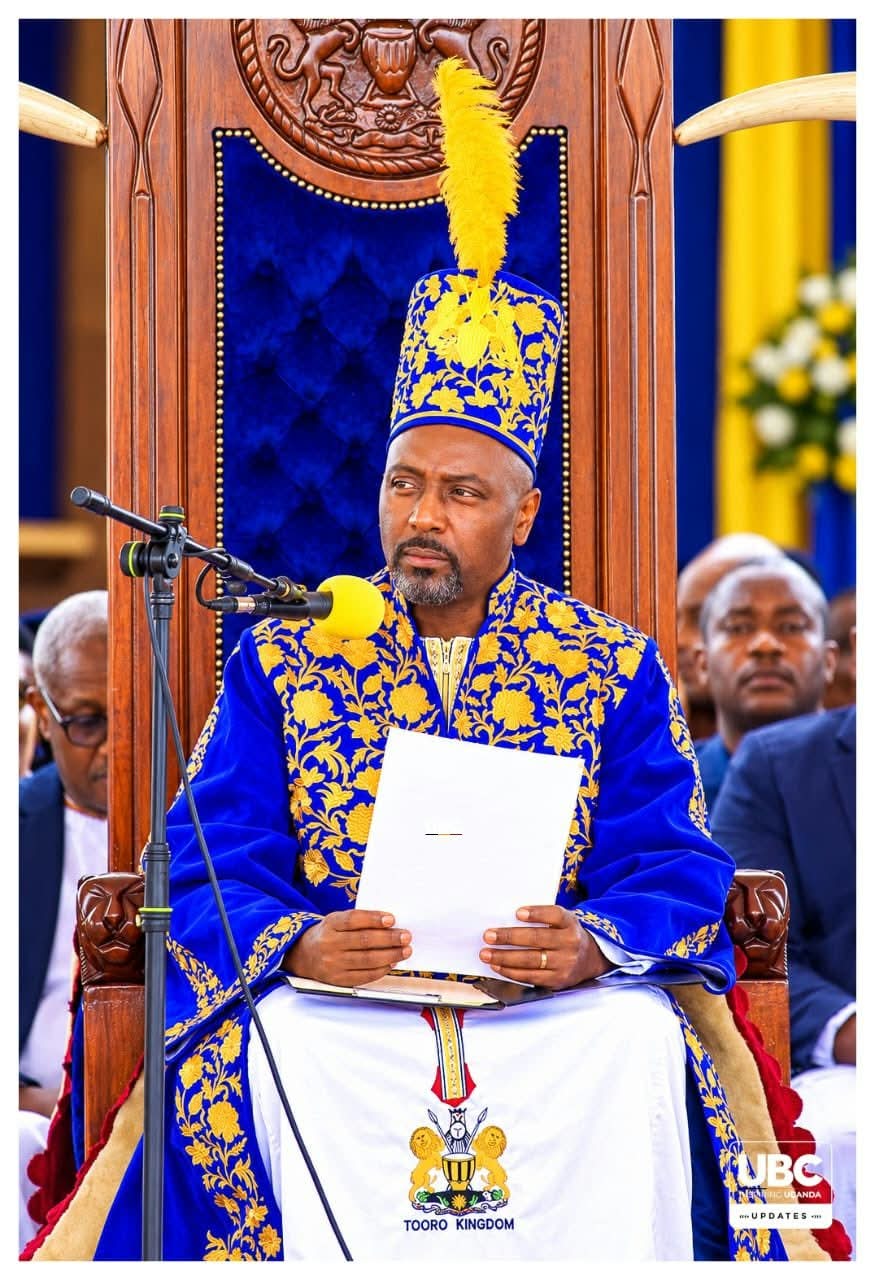
Tooro Kingdom’s new administration has been put on hold, with Omukama Edwar... Read more
a week ago
 News
Police have arrested 20 suspects following an attack on Kibuku County MP Ki... Read more
a week ago
 News
The High Court in Mbarara has upheld the election of Kyarikunda Loydah Twin... Read more
a week ago