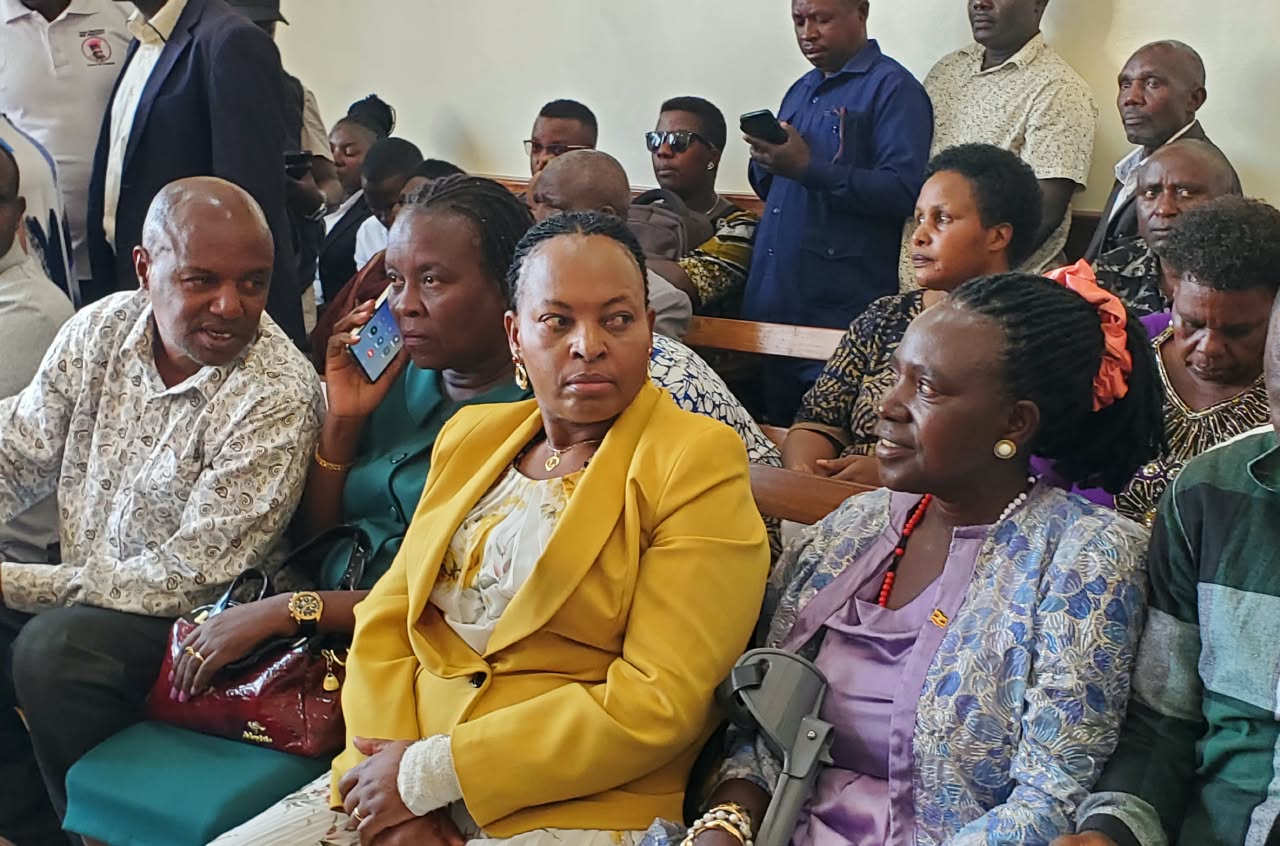
In a judgment delivered on October 26, Justice Tom Chemutai ruled that the petition was not properly before the court because complaints concerning Twinomujuni’s academic qualifications at the nomination stage should first have been lodged with the Electoral Commission.
The judge held that Ayebare should have challenged the nomination before the commission and, if dissatisfied with its decision, appealed to the High Court.
“The petition is hereby dismissed,” Justice Chemutai ruled, confirming Twinomujuni’s election and ordering Ayebare to pay the respondents’ costs.
Twinomujuni was declared the winner of the January 15, 2026 election with 31,456 votes against Ayebare’s 16,075, giving her a margin of 15,381 votes. The other candidates, Barugahare Julia Desire and Maurishia Hope, polled 610 and 367 votes, respectively.
Ayebare had argued that Twinomujuni did not possess the requisite academic qualifications to contest for the parliamentary seat. She questioned the circumstances under which Twinomujuni obtained her nursing qualifications and relied on selected academic records submitted to the Electoral Commission during nomination.
However, the court found that the dispute centred on pre-election matters that should have been addressed through the statutory electoral dispute-resolution process before polling.
Justice Chemutai cited provisions of the Electoral Commission Act and previous court decisions establishing that complaints concerning nominations and other pre-polling matters fall within the commission’s mandate, with appeals against its decisions lying to the High Court.
The judge also examined academic documents presented by Twinomujuni, including a Diploma in Palliative Care from Makerere University, a Diploma in General Nursing from Aga Khan University, a Bachelor’s degree in Public Health from Monash University in South Africa, and a Master’s degree in Public Health from the University of Roehampton in the United Kingdom.
The court noted that Ayebare had obtained copies of Twinomujuni’s academic documents from the Electoral Commission but did not attach all of them to her petition.
On the question of academic eligibility, Justice Chemutai held that Twinomujuni possessed qualifications above the minimum academic standard required for election to Parliament.
The judge further observed that an election petition could not be used to invalidate academic qualifications awarded by legally mandated institutions merely on the basis of allegations concerning their authenticity.
The court concluded that Twinomujuni was qualified to contest the election and had been validly elected as Mbarara District Woman MP.
The petition was dismissed with costs, and the court confirmed Twinomujuni’s election.
 News
Two people have been killed in separate mob justice incidents in Kigezi Sub-region within two days, ... Read more
 News
The cost of long-acting HIV prevention could drop significantly following the approval of the first ... Read more
 News
Eight inmates from Ndorwa Government Prison are among 3,887 candidates sitting the 2026 Primary Leav... Read more
 News
Tension is mounting in the Teso sub-region following the arrest of retired ... Read more
22 hrs ago
 News
Kampala Capital City Authority (KCCA) has launched a four-month project to ... Read more
2 days ago
 News
President Yoweri Museveni and First Lady Janet Kataaha Museveni have paid t... Read more
4 days ago
 News
The High Court in Kampala has dismissed separate election petitions challen... Read more
4 days ago
 News
Hundreds of residents benefiting from livelihood support programmes under t... Read more
4 days ago
 News
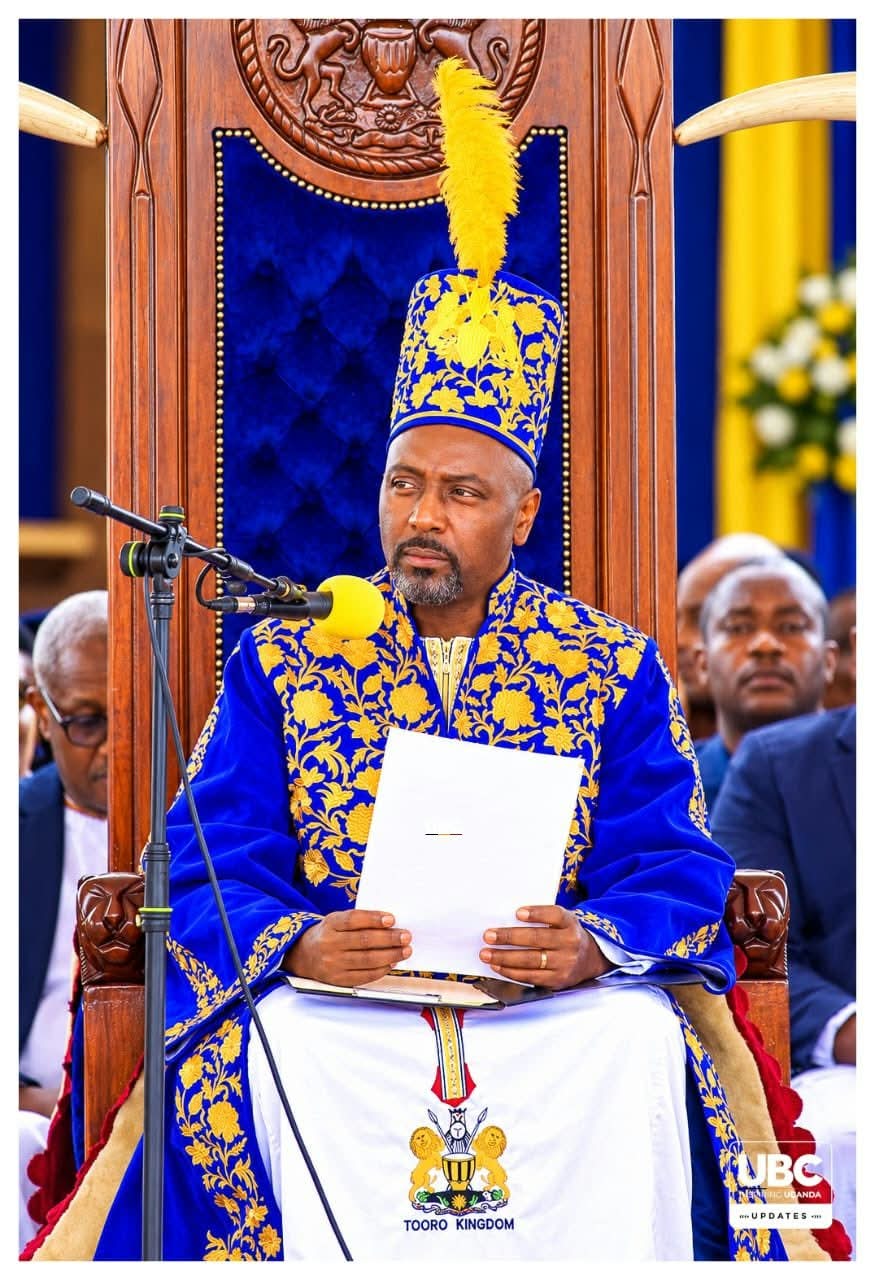
Tooro Kingdom’s new administration has been put on hold, with Omukama Edwar... Read more
a week ago
 News
Police have arrested 20 suspects following an attack on Kibuku County MP Ki... Read more
a week ago
 News
President Yoweri Kaguta Museveni has challenged households in Sheema Distri... Read more
a week ago