Uganda's introduction of Universal Primary Education (UPE) in 1997 was a major milestone in the country's education sector. The policy opened the doors of primary education to millions of children, particularly those from disadvantaged households who previously could not afford school fees.
Initially introduced under the slogan Boona Bashome, with emphasis on increasing access to education, particularly for girls, the programme was later expanded to cover all primary school-age children.
The policy significantly increased enrolment and reduced inequalities in access to education. However, nearly three decades later, the country faces a different challenge: ensuring that children who enrol in school complete their education and progress to higher levels of learning.
With approximately 900,000 candidates registered for the 2026 Primary Leaving Examination (PLE), attention should shift beyond enrolment figures to the number of children who fail to complete the primary education cycle.
Available estimates indicate that out of every 100 children who enter Primary One, only about 44 reach Primary Seven and sit their PLE examinations. This means approximately 56 drop out before completing primary education.
The figures raise serious questions about the effectiveness of Uganda's education policies and the mechanisms in place to track children who leave school prematurely.
Where do these children go? What happens to their educational prospects, and which institutions are responsible for ensuring that they remain in school?
The challenge does not end at primary level. Some estimates indicate that only about 67 per cent of pupils who complete Primary Seven proceed to post-primary institutions, while a much smaller proportion eventually reaches university.
These figures point to a serious gap between access to education and successful completion.
Inadequate funding undermines quality
One of the major challenges facing public education is inadequate financing.
The government capitation grant of approximately Shs20,000 per pupil annually is insufficient to meet the operational needs of many public primary schools. The grant is expected to support essential school requirements, including instructional materials, administration and other learning-related expenses.
Consequently, some schools depend on parental contributions to bridge funding gaps. This creates additional pressure on low-income households, some of which struggle to meet even basic family needs.
Teacher shortages and high pupil-teacher ratios further affect the quality of learning. In several schools, the number of teachers has not kept pace with enrolment, leaving educators responsible for large classes and limiting individual attention to learners.
Increasing enrolment without corresponding investment in teachers, classrooms and learning materials risks undermining the very objective UPE was established to achieve.
Government therefore needs to reconsider the adequacy of the capitation grant and ensure that public schools receive sufficient and predictable funding.
Geographical barriers and social pressures
Access to secondary education remains uneven across the country, particularly in rural and underserved communities.
According to the Uganda Bureau of Statistics' Baseline Education Census 2025, more than half of the country's sub-counties and town councils reportedly have no secondary school.
For pupils completing Primary Seven, the absence of nearby secondary schools can make the transition difficult. Long distances, transport costs and the inability to meet other school expenses force some families to abandon plans of educating their children beyond primary level.
The situation is compounded by social and cultural challenges, including early marriage, teenage pregnancy and child labour.
In some communities, particularly where household incomes are low, children are withdrawn from school to support family livelihoods. Girls are also disproportionately affected by early marriage and domestic responsibilities.
These challenges require more than education policies. They call for sustained community engagement, enforcement of child protection laws and deliberate interventions to support vulnerable households.
Local leaders must take responsibility
Although government has the primary responsibility of providing an enabling environment for quality education, local institutions and communities also have a role in addressing school dropout.
Headteachers and school management committees should strengthen attendance monitoring and establish mechanisms for identifying pupils who are frequently absent.
District education officers and school inspectors must conduct regular supervision to establish whether schools are operating as expected and whether learners are receiving the education to which they are entitled.
Local government leaders, parish chiefs and community leaders should also be involved in tracking children who leave school and engaging parents to establish the reasons behind their absence.
It is not enough for authorities to report enrolment figures at the beginning of the school year without establishing how many children remain in school until the end.
The Ministry of Education and Sports should strengthen its monitoring systems to establish where learners are dropping out, the reasons for their departure and the interventions required to bring them back into the education system.
A functional learner-tracking system would help government identify vulnerable children early enough and prevent avoidable dropout.
Corruption and accountability in school management
The fight against corruption in the education sector is another area requiring sustained attention.
Minister Balaam Barugahara's recent campaign targeting alleged ghost pupils, illegal school fees and mismanagement of capitation grants has drawn attention to accountability concerns in public schools.
Inspections and investigations have reportedly exposed discrepancies in school enrolment records and the management of public resources, leading to arrests and administrative action against some officials.
Such interventions are important because public resources intended for learners must reach the schools and beneficiaries for whom they are allocated.
However, the fight against corruption should not depend on individual campaigns or public confrontations. It requires stronger institutional systems involving anti-corruption agencies, district authorities, education officials and school management committees.
Regular verification of enrolment figures, transparent reporting of school finances and timely investigation of suspected financial irregularities should become standard practice.
It is equally important to recognise that corruption is only one of several challenges affecting education. Even where public funds are properly managed, inadequate financing, teacher shortages and poor infrastructure will continue to undermine learning outcomes unless they are addressed.
A strategy beyond enrolment
Uganda needs a comprehensive education strategy that places equal emphasis on access, retention, completion and transition.
First, government should review the capitation grant to reflect the actual cost of running public schools. Adequate funding should be accompanied by timely releases and stronger accountability for its utilisation.
Second, teacher recruitment should be aligned with enrolment levels to address staffing gaps and improve the pupil-teacher ratio.
Third, government should prioritise the establishment of secondary schools and technical institutions in underserved sub-counties. Such decisions should be guided by population needs, geographical accessibility and evidence of demand rather than political considerations.
Fourth, local governments should introduce systematic follow-up mechanisms for children who drop out or fail to transition to secondary education. This would require cooperation between headteachers, parish chiefs, district education officers and community leaders.
Parents and communities should also be sensitised about the long-term consequences of denying children an education. Particular attention should be given to early marriage, teenage pregnancy and other practices that disproportionately affect girls.
Finally, government should strengthen oversight of public education financing through regular audits, independent verification of school records and effective enforcement against those found mismanaging public resources.
The future of Uganda's learners
UPE succeeded in expanding access to primary education and giving millions of children an opportunity that was previously beyond their reach.
However, the success of the programme should not be measured only by the number of children enrolled in Primary One. It should also be assessed by how many complete primary education, proceed to secondary school and acquire the skills necessary to participate meaningfully in the economy.
The estimated 56 per cent of children who do not reach Primary Seven represent a significant loss of human potential that Uganda cannot afford to ignore.
As nearly one million candidates prepare for the 2026 PLE examinations, government must pay equal attention to the children who will not be sitting the examinations because they dropped out along the way.
The next phase of education reform should therefore focus on ensuring that every child who enters school has a realistic opportunity to complete their education.
Access without completion, and enrolment without quality learning, will not deliver the transformation Uganda expects from its education system.
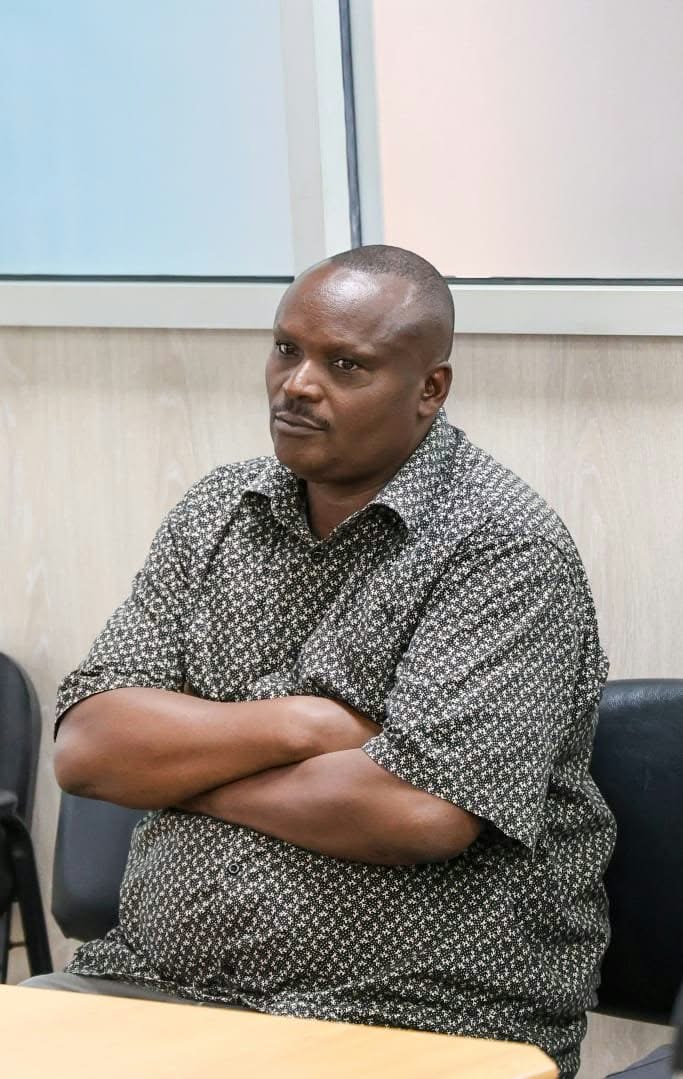
The author, Mugabe Alex Kayabuki, is a District Councillor representing Workers in Kazo District and General Secretary of the NRM in Kazo District.
 News
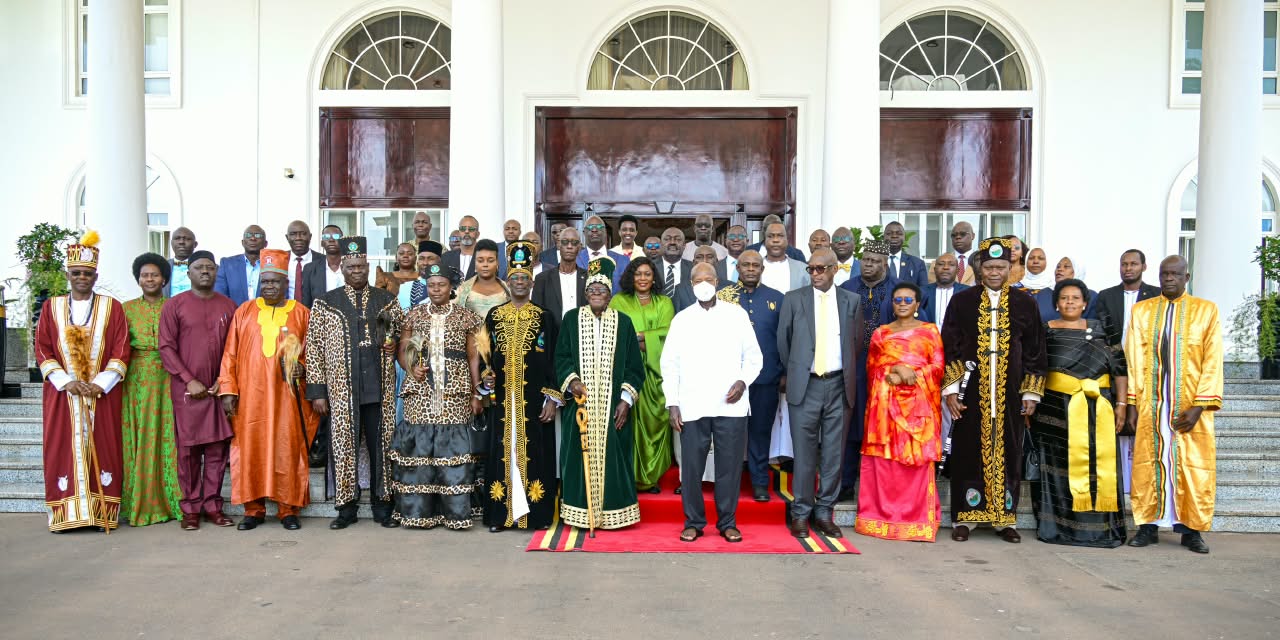
President Yoweri Museveni has challenged traditional and cultural leaders to take a more active role... Read more
News
Uganda's introduction of Universal Primary Education (UPE) in 1997 was a major milestone in the coun... Read more
 News
Western Uganda singer Ayiremah Music has signed with record label Jab Muzik, marking a new chapter i... Read more
 News
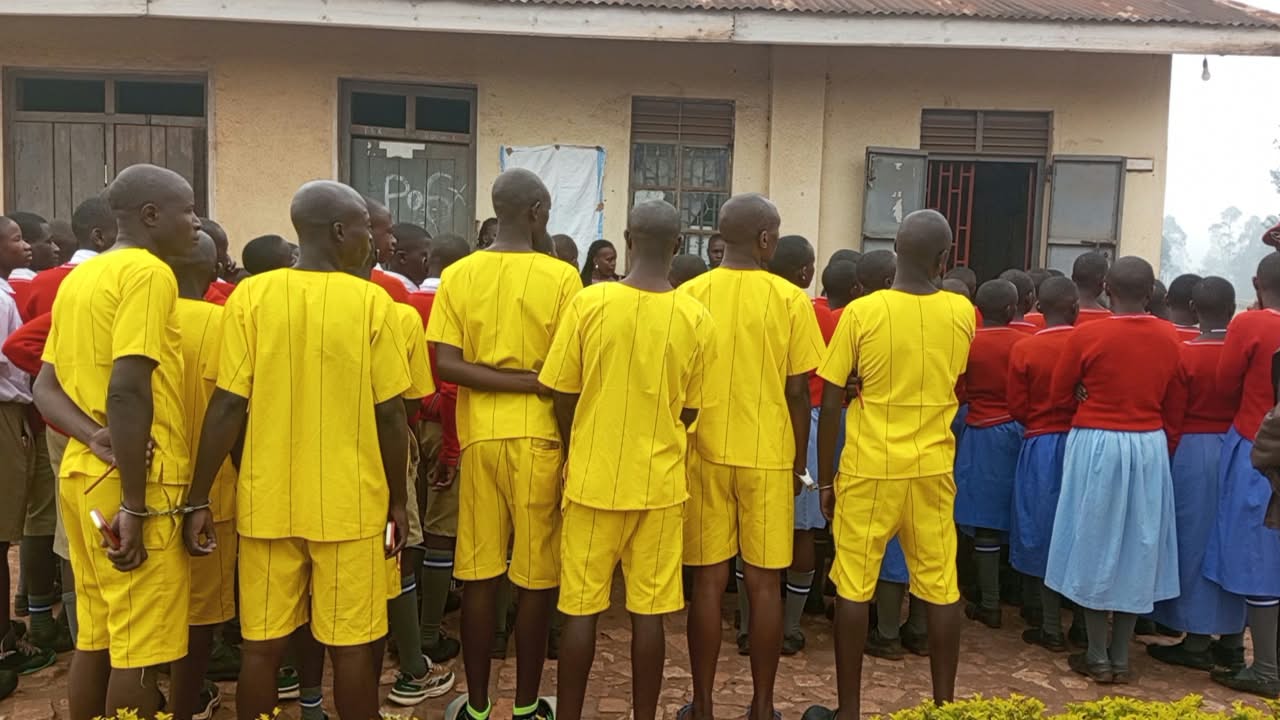
Eight inmates from Ndorwa Government Prison are among 3,887 candidates sitt... Read more
yesterday
 News
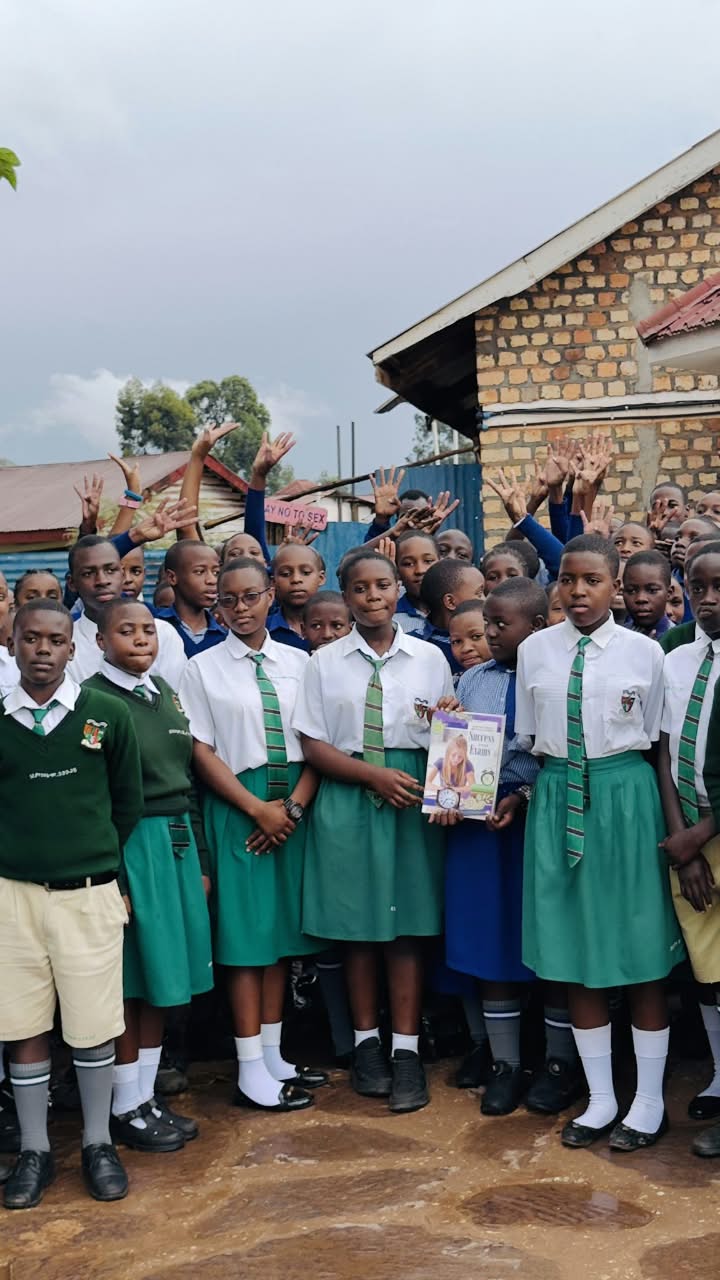
A total of 226 examination centres have been designated in Mbarara District... Read more
2 days ago
 News
The Church of Uganda has elected new bishops for Mbale and North West Ankol... Read more
5 days ago
 News
Mbarara University of Science and Technology (MUST) is seeking more than Sh... Read more
6 days ago
 News
University graduates have been challenged to turn their academic qualificat... Read more
6 days ago
 News
The government has pledged continued support to Mbarara University of Scien... Read more
6 days ago
 News
The Inspectorate of Government (IG) has arrested Ntare School headteacher S... Read more
a week ago
 News
The Kisoro District Education Officer, Emmanuel Mwumvaneza, has been arraig... Read more
a week ago